Morning coffee thoughts from Tabanan, at Alassari Sanctuary.
Written by: Terje. H Nilsen
There’s a certain kind of silence in Tabanan in the early morning. The kind that only exists before the engines start, before the beach clubs open, before the debates about “what Bali has become” begin again.
Sitting here with a coffee, looking out over green that seems to stretch forever, it’s hard not to ask: Is this Bali’s sunset… or its sunrise?
The Narrative We Keep Hearing
If you spend time online—or even in certain cafés—you’ll hear a familiar story:
Bali is overdeveloped. The culture is disappearing. The island is drowning in waste. Infrastructure can’t keep up. Mass tourism has taken over.
And here’s the thing: Parts of that story are true. But only parts. Because what often gets lost in the noise is scale.
The Reality: Bali Is Bigger Than the Headlines
The areas most people talk about—Canggu, Seminyak, Uluwatu, parts of Ubud—represent a relatively small portion of the island.
Even if we stretch the definition, the zones under real pressure likely account for around 10–15% of Bali’s landmass.
The rest? Still deeply, authentically Bali.
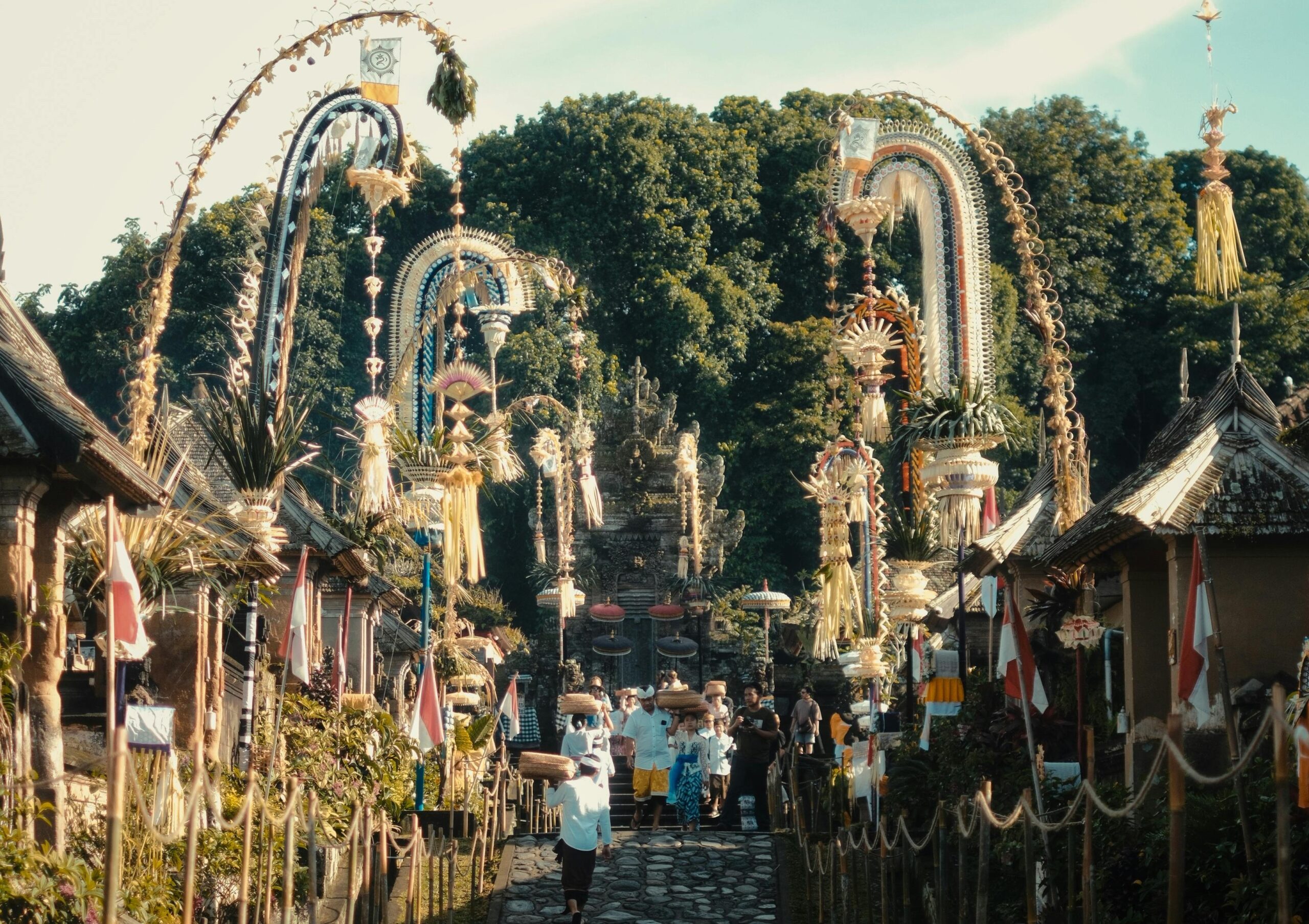
▪ Villages where ceremonies shape the calendar
▪ Communities where banjar systems still govern daily life
▪ Landscapes that haven’t changed much in decades
This isn’t denial. It’s perspective. Bali isn’t one place. It’s many layers—and most of them remain intact.
Infrastructure: Slow, Yes — But Moving
Infrastructure has always been Indonesia’s balancing act.
And Bali is no exception. But over the last few years, something has shifted:
▪ Increased central government involvement
▪ Stronger alignment with national development priorities
▪ More funded and structured projects (roads, ports, utilities)
Indonesia’s broader push—driven by central and provincial government—is clearly visible in Bali now.
Is it fast? No. Is it improving? Yes.
And importantly: The conversation has moved from “if” to “how fast.”
Waste: Bali’s Most Honest Challenge
If there’s one issue that demands full honesty, it’s waste. Recent weeks alone have shown just how serious this is. But also—how seriously it’s now being taken.
▪ Multiple Waste-to-Energy (WtE) projects are being launched
▪ The sovereign investment body Danantara is backing large-scale solutions covering Badung, Gianyar, and Denpasar
▪ Grassroots movements are accelerating:
o Household-level sorting
o Village-based recycling
o Private eco-solutions
This isn’t solved. Not even close. But something important has changed: Ownership.
People are no longer just pointing at the problem. They’re starting to act on it.
Over-Tourism — Or Misunderstood Tourism?
Let’s put things into perspective. Singapore receives roughly 3x the number of tourists Bali does annually, on an island that is about 1/8 the size of Bali.
Now—Bali should never aim to become Singapore. That’s not the point. The point is this: Tourism volume alone is not the problem. Distribution, quality, and structure are. And here’s where things get interesting.
We’re starting to see a shift:
▪ Growth in eco-tourism and sustainable stays
▪ Increased demand for residential tourism (families, long-stay guests)
▪ Travelers seeking experience over volume
This aligns with where Bali should go. Not more tourists. Better-structured tourism.
Culture: Still the Island’s Strongest Foundation
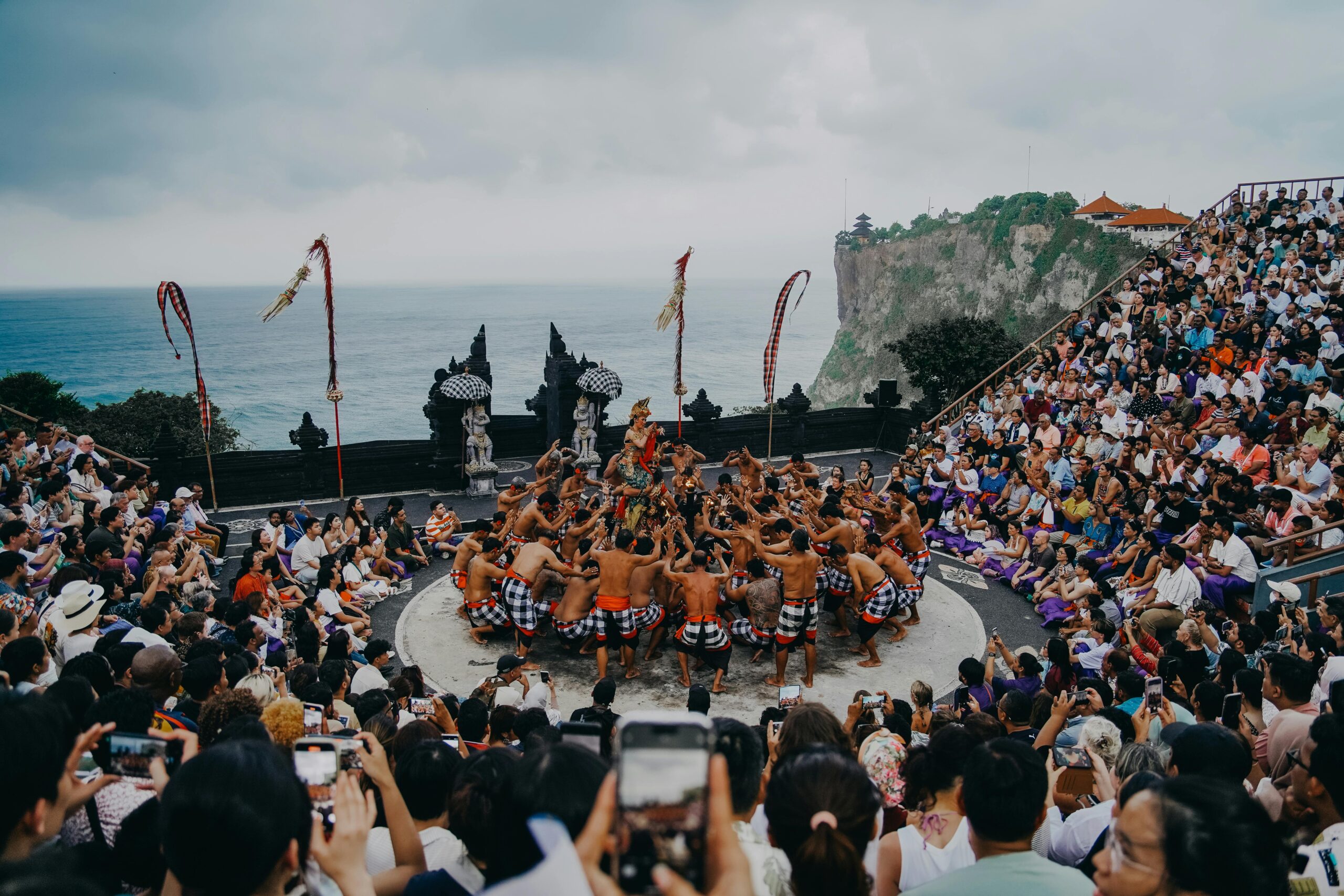
There’s a quiet misunderstanding in many of the “Bali is lost” conversations. Culture here isn’t a performance. It’s not something that exists because tourists come. It’s something that exists regardless.
▪ Daily offerings still happen
▪ Ceremonies still dictate life rhythms
▪ Community structures are still intact
In many ways, tourism hasn’t erased culture. It has simply created pressure around it. And what we’re seeing now is a gradual rebalancing.
A Shift in Consciousness
Something subtle—but powerful—is happening.
▪ Local communities are becoming more vocal
▪ Investors are becoming more aware
▪ Government is becoming more structured
▪ Visitors are becoming more conscious
This is not a collapse. It’s a transition phase.
Messy? Yes. Necessary? Absolutely.
So… Sunset or Sunrise?
From where I’m sitting this morning in Tabanan, at Alassari Sanctuary, watching the light slowly move across the fields… It doesn’t feel like an ending.
It feels like an early sunrise with a few clouds still in the sky. Bali has always adapted. Always absorbed change. Always found its balance—eventually. And this time will be no different.
Final Thought
Bali isn’t perfect. It never was. But it’s still remarkably resilient. Still deeply cultural. Still incredibly beautiful. Still evolving.
And maybe that’s the real story. Not whether Bali is being lost. But whether we’re finally starting to build it better.
Morning coffee thoughts… from a place that still feels very much alive.
Feat Image : Luke Robin Way via Pexels